
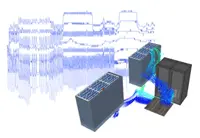
 Controlling the temperature in a data center is critical to achieving maximum uptime and efficiency, but is it being controlled in the correct place? Whilst data center layouts have moved swiftly towards the segregation of hot and cold air, with hot aisle/cold aisle designs being industry standard, typical air handler temperature control strategies are still rooted in the mainframe and comms rooms principles that have been used for decades.
Return air temperature control aims to achieve a constant ambient temperature within the room by varying the temperature of the air being supplied by the individual cooling units. This often results in a significant variation of the temperature of the air being supplied to the IT equipment, a variation which is out of the hands of the facility or IT manager. Controlling the temperature at the supply side of the air handler, rather than the return, gives control back to the facility manager and makes the temperatures being supplied to servers much more predictable. This predictability leads to the potential for raising water temperatures and reducing running costs as well as savings in capital costs during the construction of new facilities.
This paper uses a Virtual Facility to demonstrate the differences between the two control strategies and quantify the benefits of switching to supply side control.
Download the paper from Future Facilities.