Save your spot for Thermal Live Fall 2026, live October 14–15. Electronics Cooling’s flagship virtual event returns for two days of technical presentations and product demonstrations focused on the thermal management challenges engineers are facing today. Register for Thermal Live Fall 2026 Thermal Live brings together engineers, designers, and industry experts to … [Read more...]
Optimizing Thermal Management: A Material Evaluation Success Story in Vietnam
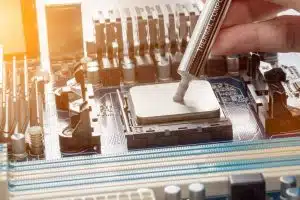
Evaluating thermal management materials for modern electronic applications goes far beyond picking a product from a catalog. Recently, an electronics manufacturer operating in Vietnam engaged T-Global to navigate the entire evaluation process for a new device. The company needed support in identifying a suitable solution based on strict application specifications. Modern … [Read more...]
Electronics Manufacturer Improves Thermal Management Supply Stability Through Localized Support

As electronics manufacturing continues to expand across Vietnam and Southeast Asia, regional production teams are placing greater demands on suppliers to respond quickly, support customization, and maintain reliable delivery from development through mass production. For one electronics manufacturing customer operating in the region, thermal management support had become a … [Read more...]
Introducing AMEC Thermasol Graphene Thermal Pads
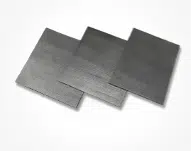
The GTP thermal pad is an advanced graphene thermal conductive gasket developed for high-end electronics and precision optical equipment. It combines ultra-high thermal conductivity with stable interface performance, helping fill tiny gaps between heat sources and heat sinks to improve heat-transfer efficiency in compact assemblies. Features Thermal Conductivity: … [Read more...]
Stream Data Center Cooling Days 2026

The Full Data Center Cooling Days 2026 Program is Available to Stream Over the past two weeks, engineers from across data center thermal management came together to share practical engineering presentations on liquid cooling, AI infrastructure, coolant management, thermal testing, and more. If you couldn't attend live or missed one of the sessions, you can watch the free … [Read more...]
- 1
- 2
- 3
- …
- 48
- Next Page »