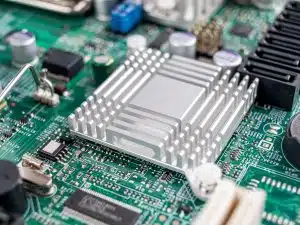
Power electronics in modern computing, energy conversion, and industrial systems increasingly operate under pulsed or highly variable loads. Voltage regulators and power conversion units inside server racks experience rapid transients as workloads shift. EV drivetrain inverters see intense current pulses during acceleration and braking. Industrial motor drives and power … [Read more...]
Register Now: Thermal Live Fall, October 14-15

Save your spot for Thermal Live Fall 2026, live October 14–15. Electronics Cooling’s flagship virtual event returns for two days of technical presentations and product demonstrations focused on the thermal management challenges engineers are facing today. Register for Thermal Live Fall 2026 Thermal Live brings together engineers, designers, and industry experts to … [Read more...]
Tark Thermal Solutions Expands U.S. Manufacturing Operation with New Global Thermoelectric Technology Center
A $5.5 million investment more than doubles U.S. thermoelectric cooler production space, with over 5,300 sq. ft. dedicated to manufacturing and R&D to support growing demand across optoelectronics, sensor system and other high-growth markets. DURHAM, N.C., September 15, 2026 – Tark Thermal Solutions (TTS), a global provider of innovative active thermal management … [Read more...]
Designing an Effective Thermal Path in High-Power Electronic Systems
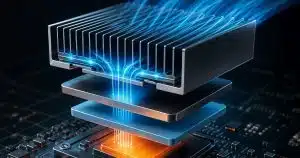
ABSTRACT Power densities continue to increase in AI servers, high-performance computing (HPC) systems, electric vehicles, and semiconductor manufacturing equipment. As a result, thermal management has become a critical system-design requirement. Thermal solutions often fall short not because one material lacks performance, but because the complete … [Read more...]
From Materials to Manufacturing: A System-Level Approach to Thermal Management

Executive Summary Thermal management is becoming a defining factor in system performance across advanced electronics. Demand is accelerating in AI and high-performance computing, data center infrastructure, electric vehicles, semiconductors, industrial systems, and other high-reliability applications, where increasing power density and extended operating cycles place sustained … [Read more...]
- 1
- 2
- 3
- …
- 49
- Next Page »