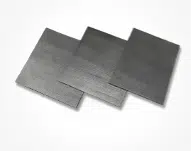
The GTP thermal pad is an advanced graphene thermal conductive gasket developed for high-end electronics and precision optical equipment. It combines ultra-high thermal conductivity with stable interface performance, helping fill tiny gaps between heat sources and heat sinks to improve heat-transfer efficiency in compact assemblies. Features Thermal Conductivity: … [Read more...]
Benefits of Boron Nitride Thermal Pads

Thermal interface materials (TIMs) must reduce interfacial thermal resistance while withstanding stresses such as vibration and humidity. Traditional TIMs cannot meet this requirement. Thermal paste, for example, performs well with micron-level surface matching and precise clamping, but is prone to contamination and increases the difficulty of automated assembly. Ordinary … [Read more...]